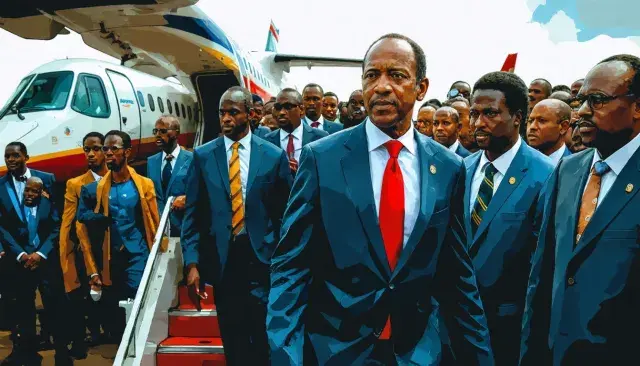

Confederation of African Football President Patrice Motsepe prepares to visit Dakar as outrage builds in Senegal over CAF's decision to award the 2025 Africa Cup of Nations title to Morocco on paper. Senegal has filed an appeal with the Court of Arbitration for Sport, claiming its withdrawal from the final stemmed from unavoidable conditions. This intervention seeks to prevent further political escalation and preserve continental unity.
Roots of the Dispute
CAF's ruling followed Senegal's exit from the decisive encounter, prompting accusations of procedural unfairness from Senegalese officials and public figures. The federation emphasized balanced statements to quell immediate backlash, yet tensions persisted, drawing in political leaders in Dakar. Such decisions by continental bodies often test national loyalties, highlighting the delicate balance between administrative authority and member state sentiments.
Senegal's Legal Challenge
The appeal to the Court of Arbitration for Sport represents a formal escalation, where Senegal argues the withdrawal merits reconsideration of the outcome. This body, known for adjudicating international disputes, could prolong the uncertainty surrounding the event's resolution. Public frustration in Senegal underscores broader concerns about transparency in African governance structures.
Motsepe's Diplomatic Outreach
Motsepe's itinerary includes discussions with Senegalese Football Federation head Abdoulaye Fall and President Bassirou Diomaye Faye. Fall extended a warm invitation, invoking Senegal's tradition of Teranga—hospitality extended to all Africans. In a video message, he affirmed, “President Motsepe has decided to come to Senegal. He will be welcomed. We are all Africans and this is his country too.”
Implications for Continental Harmony
This crisis risks tarnishing CAF's credibility at a time when African institutions face scrutiny over dispute resolution. Successful dialogue could model responsible conflict management, fostering trust across borders. Failure might deepen divisions, complicating future collaborations in regional frameworks.